

Modern life has pulled us indoors—often into environments dominated by hard surfaces, artificial light, and digital interfaces. As a result, many interiors feel efficient, but not necessarily nourishing. Biophilic design emerges as a response to this imbalance. More than a passing aesthetic, it reflects an enduring human need to remain connected to the natural world, even as our surroundings become increasingly built and urban.
While the language around biophilic design is relatively new, the ideas behind it are not. Its evolution reveals how deeply nature has always informed the way we shape spaces—and why that relationship matters more than ever today.
-

-
Looking Back: When Nature Was Integral, Not Optional
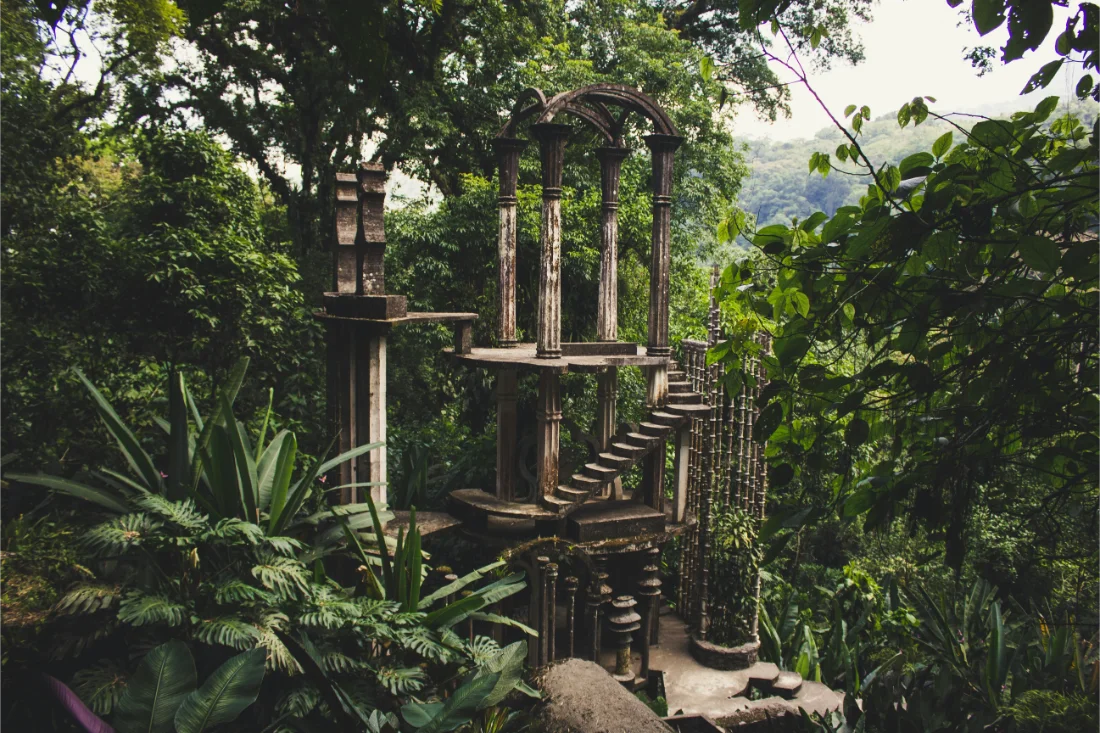
Long before biophilic design was defined as a discipline, ancient cultures intuitively designed in conversation with their surroundings. Architecture was shaped by climate, landscape, and natural rhythms.
Roman homes were organized around open courtyards filled with greenery and light. Traditional Japanese architecture emphasized harmony through sliding partitions, garden views, and natural materials that aged gracefully over time. In Islamic architecture, complex geometric patterns echoed the logic and repetition found in plants, stars, and natural forms. In all of these examples, nature wasn’t an accent—it was embedded in the structure and experience of the space itself.
This relationship began to shift with industrialization. As steel, concrete, and glass became dominant, buildings prioritized scale, speed, and uniformity. While innovation accelerated, interiors often lost their sensory connection to the outdoors. Nature became something external—visited occasionally, rather than experienced daily.

-
The Present Moment: Nature Returns Indoors
Over the past two decades, biophilic design has re-emerged as designers, researchers, and clients began to recognize the cost of this separation. Studies linking natural elements to reduced stress, improved focus, and enhanced well-being have reshaped how we think about interiors. The question is no longer whether nature belongs inside, but how it can be integrated thoughtfully.
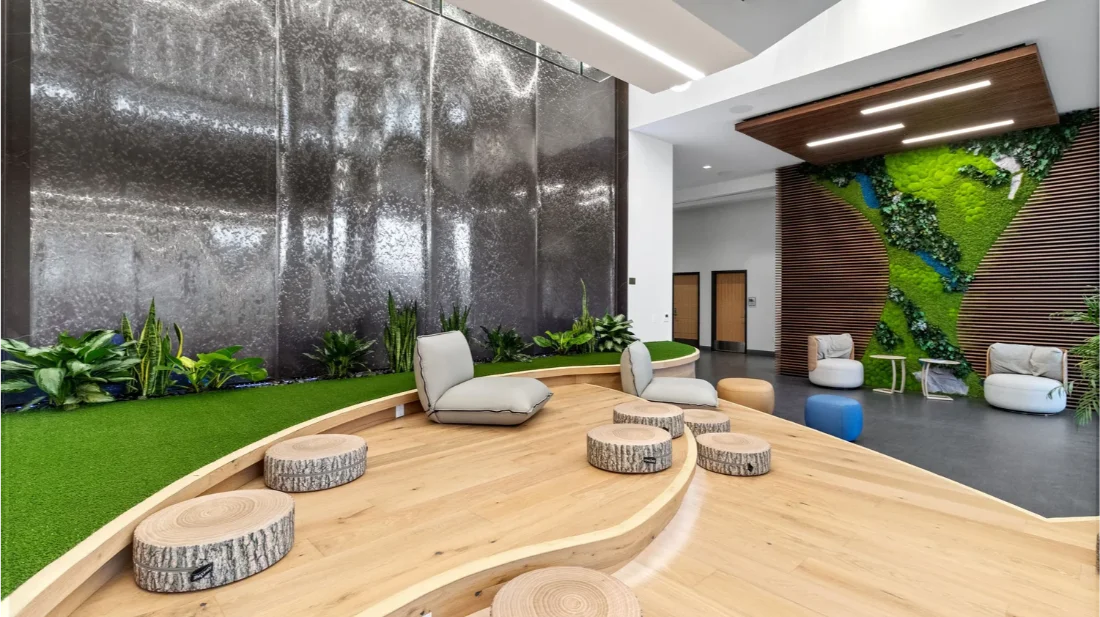
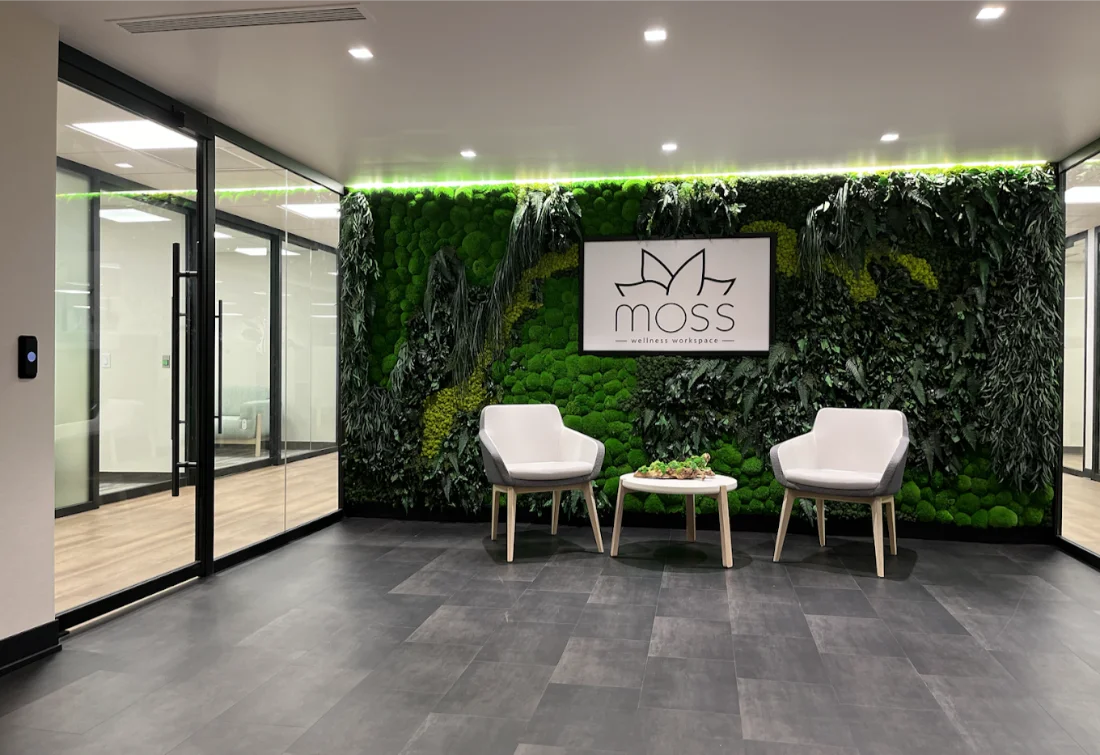
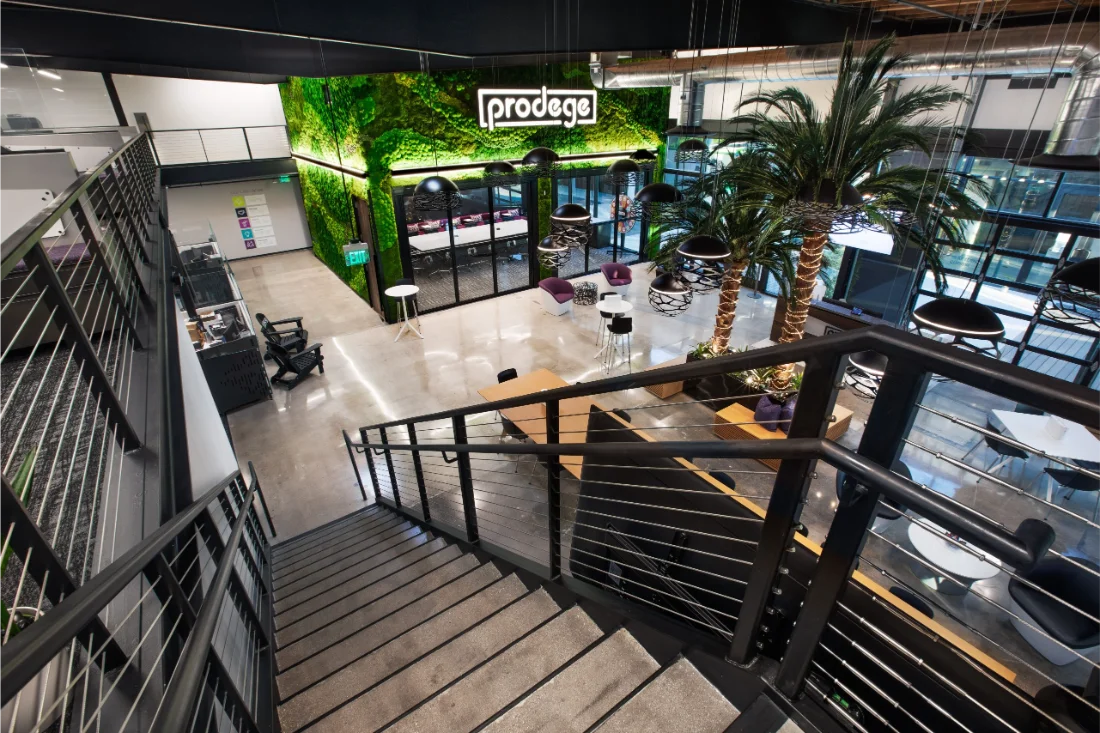
Today’s biophilic interiors extend far beyond live plants. Designers work with natural textures, organic forms, layered materials, and immersive focal points to create environments that feel grounded and restorative. Features like moss walls and sculptural moss wall art have become especially compelling, offering a tactile, visual connection to nature without the complexity of living systems.
At Naturalist, biophilic design begins with intention. Our preserved moss installations are designed to bring softness, depth, and calm into interior spaces—without irrigation, soil, or ongoing maintenance. By working with preserved moss and high-quality artificial greenery, we’re able to create enduring design moments that feel natural, not ornamental. Each piece is approached as part of the architecture, not an afterthought, whether it’s integrated into hospitality spaces, workplaces, or wellness environments.
-


-

-
Looking Ahead: Regenerative, Sensory, and Place-Driven Design
As biophilic design continues to evolve, its future points toward deeper integration and greater responsibility. Sustainability is becoming foundational rather than optional, with materials chosen for longevity, environmental impact, and lifecycle awareness. Preserved moss walls, for example, offer a way to reduce water use and maintenance while still delivering a strong biophilic presence.
Technology will likely enhance this next chapter—through lighting systems that follow circadian rhythms or environments that adapt subtly to how people move through them. At the same time, there’s a growing return to locality and storytelling. Designers are increasingly drawing from regional landscapes, cultural references, and natural histories to inform how spaces feel and function.
Perhaps most importantly, biophilic design is becoming more immersive. Future interiors won’t just reference nature visually; they’ll engage multiple senses, creating spaces that feel calming, intuitive, and deeply human.

-
A Continuing Relationship with Nature
The story of biophilic design mirrors a larger truth: our need to feel connected, grounded, and at ease hasn’t changed—even as our surroundings have. As cities grow denser and daily life becomes more accelerated, thoughtfully designed interiors play a critical role in restoring balance.
Biophilic design reminds us that nature doesn’t have to live somewhere else. It can be integrated into the spaces where we gather, work, and pause. It can live on a wall, shape the atmosphere of a room, and quietly support how we feel within it.
-


Get In Touch
-
Customer service
info@naturalist.us -
Follow us


