

There is a quiet shift happening in the way we experience interiors. As we look toward 2026, design is no longer defined by how impressive a space appears at first glance, but by how it supports the people who move through it day after day. The most successful interiors today are the ones that feel calming, grounding, and intuitively human—spaces that offer a sense of pause in an increasingly fast-paced world.
Biophilic design continues to shape this evolution, not as a passing trend, but as a return to something deeply familiar. Nature, even when interpreted through design, has a way of making spaces feel more livable, more welcoming, and more emotionally resonant.
-

-
Wellness-First Spaces That Feel Personal
Commercial interiors are being designed with a new kind of sensitivity. Offices, hotels, and public spaces are no longer expected to simply function; they are expected to care for the people inside them. Designers are responding by creating environments that soften the edges of daily life, where natural textures and organic forms quietly influence how a space feels.
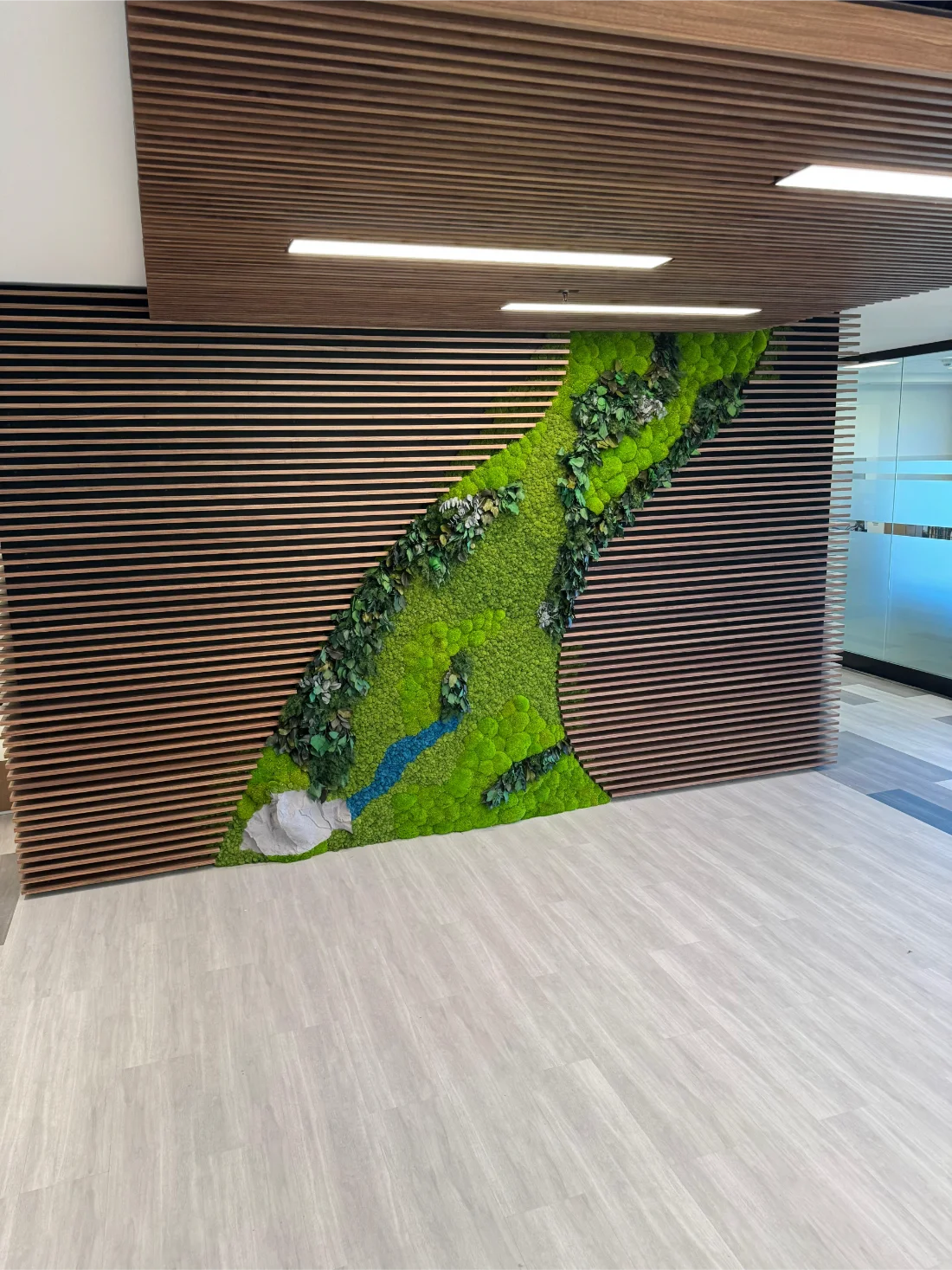
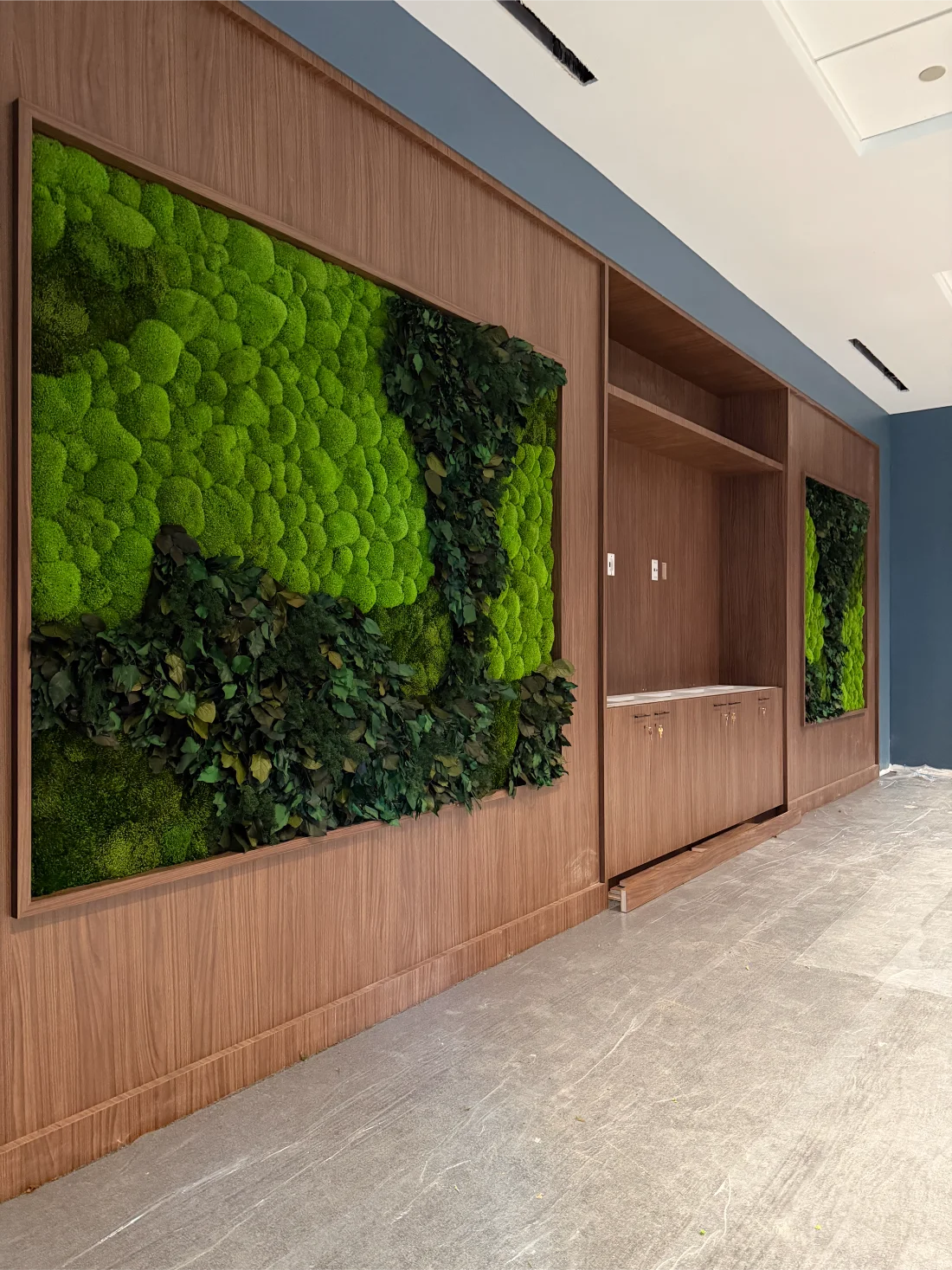
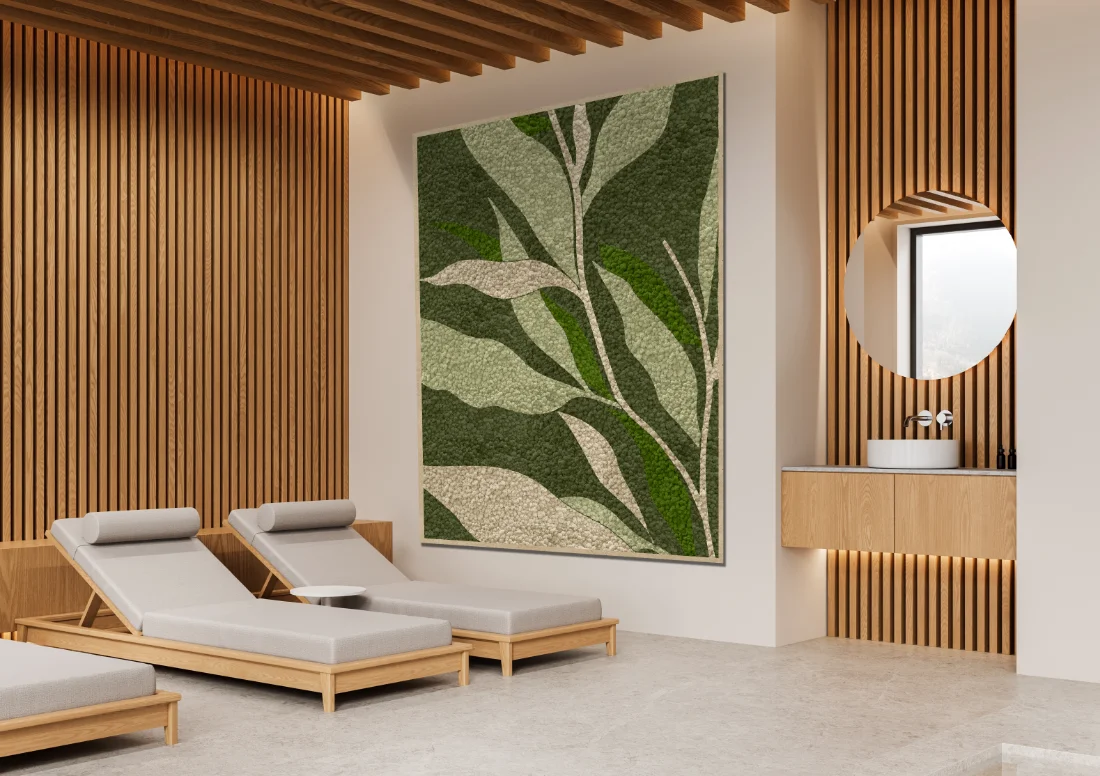
Greenery plays a powerful role in this shift. A thoughtfully placed moss wall can change the energy of a room, adding depth and softness without demanding attention. Preserved moss, with its natural variation and texture, introduces a sense of calm that feels effortless and intentional. These elements do not dominate a space—they support it, offering visual relief and a subtle connection to nature.

-
Beauty That Lasts in Real-World Spaces
As biophilic design becomes more embedded in commercial interiors, there is a growing appreciation for solutions that age gracefully. High-traffic environments require materials that hold their beauty over time, without the complexity of ongoing maintenance. This is where preserved moss walls and artificial plants have become essential tools rather than alternatives.
A preserved moss wall brings the feeling of nature indoors without the need for light, water, or constant care. Artificial plant walls offer similar freedom, especially in spaces where durability and consistency are paramount. These materials allow designers to create immersive, nature-inspired environments that feel intentional and refined long after installation day has passed.
-


-

-
A Softer Definition of Sustainability
Sustainability in 2026 is less about signaling and more about substance. Designers are increasingly drawn to materials that reduce waste, extend lifecycle value, and maintain their integrity over time. Preserved moss and artificial plant installations fit naturally into this mindset, offering longevity without sacrificing beauty.
When designed thoughtfully, a moss wall can remain a defining feature of a space for years, eliminating the need for replacement or intensive upkeep. Artificial plant walls support the same philosophy, providing visual richness while reducing water use and ongoing resource demands. Sustainability, in this context, becomes quiet and considered—felt rather than announced.

-
Spaces That Invite You In
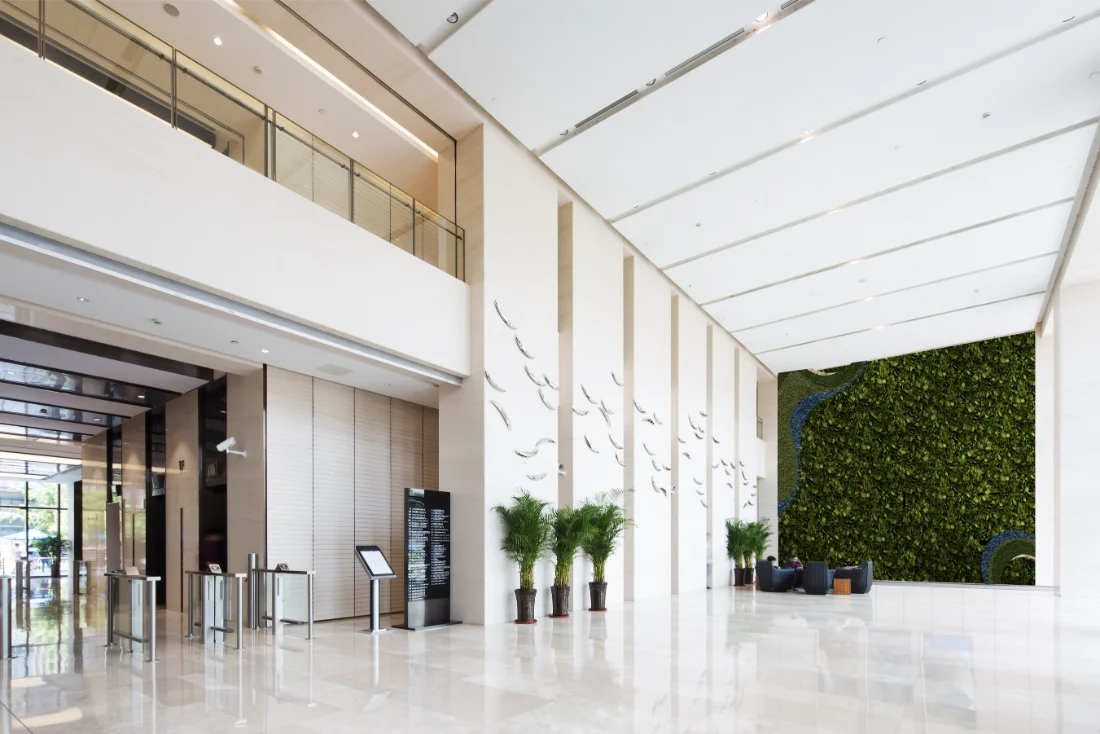
Perhaps the most noticeable shift ahead is the move toward immersive interiors. Biophilic design is no longer confined to a single feature or moment; it is woven into the architecture of a space. Walls, surfaces, and focal areas work together to create environments that feel layered, tactile, and enveloping.
Moss walls and artificial plant walls are being used to shape these experiences, guiding how people move through and connect with a space. The result is an interior that feels less like a backdrop and more like a place to settle into—one that encourages people to slow down, linger, and feel at ease.
-


-

-
Looking Ahead
As we approach 2026, well-being has become an expectation, not an aspiration. The spaces that resonate most are those designed with intention, empathy, and longevity in mind. Biophilic design continues to offer a way forward, blending natural inspiration with practical performance.
Moss walls and artificial plant walls are no longer accents reserved for special moments. They are part of a broader design language—one that prioritizes how a space feels as much as how it looks. To explore how these elements can transform your interiors, visit Naturalist.
Design spaces that feel as good as they look.

Get In Touch
-
Customer service
info@naturalist.us -
Follow us


