

For decades, neutral palettes were defined by whites, beiges, grays, and warm woods. These tones created flexibility, longevity, and visual calm. Today, that definition has quietly expanded. Green is no longer treated as an accent or a seasonal flourish. It has become a foundational material in interior design, specified with the same intention as stone, wood, or textile finishes.
This shift is not driven by trends alone. It reflects a broader change in how spaces are designed, evaluated, and experienced.
-

-
From Decorative to Structural
Greenery was once applied as décor. A potted plant in the corner. A hanging planter. These elements were often added late in the design process and treated as optional enhancements.
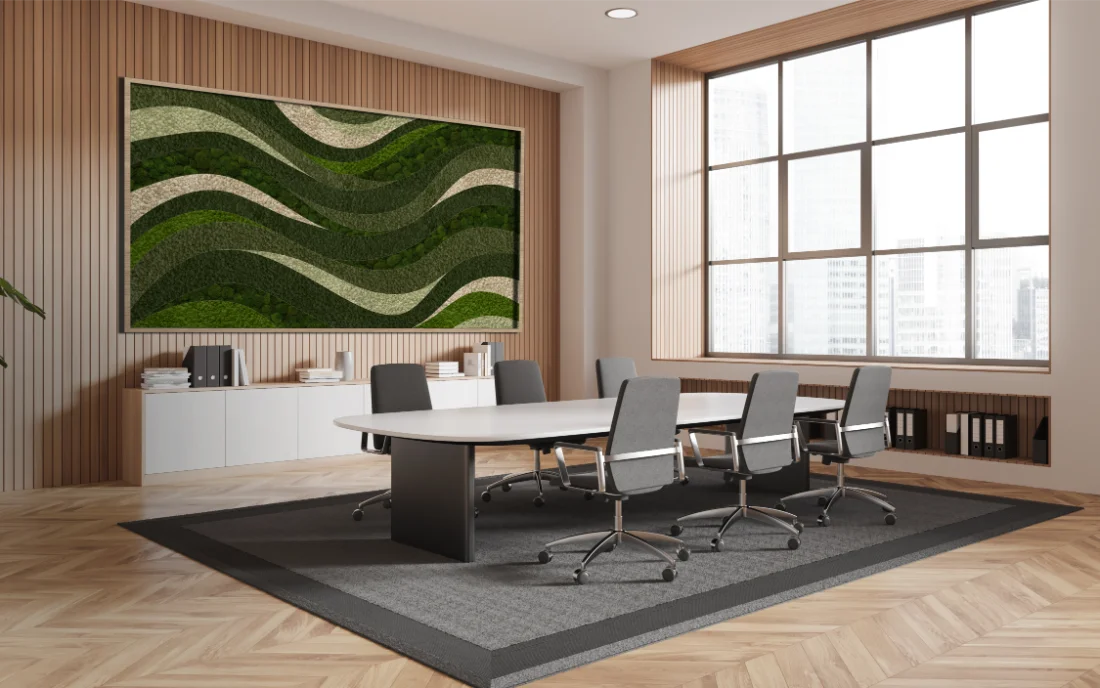
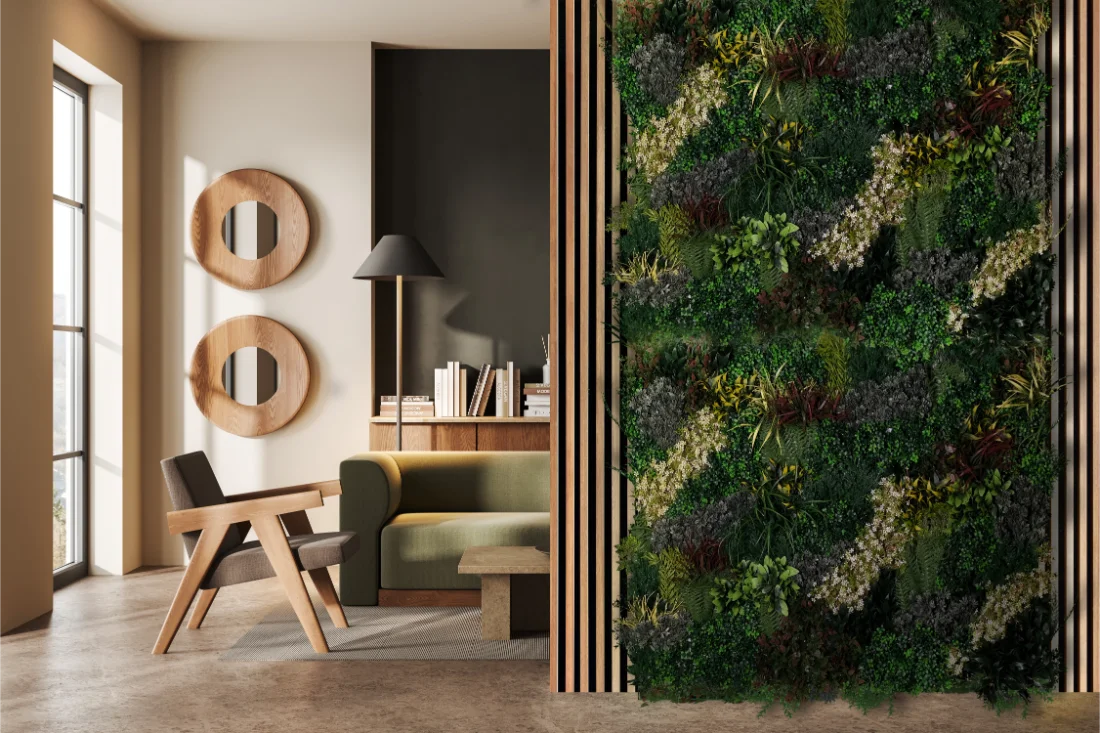
That approach has changed. Designers are now integrating green elements early in planning, using them to define circulation, anchor focal points, and soften architectural lines. Preserved moss walls and artificial green walls are specified alongside wall finishes and millwork, not layered on top afterward.
In this context, green functions structurally. It shapes space, influences movement, and contributes to how a room feels over time.

-
Why Green Works as a Neutral
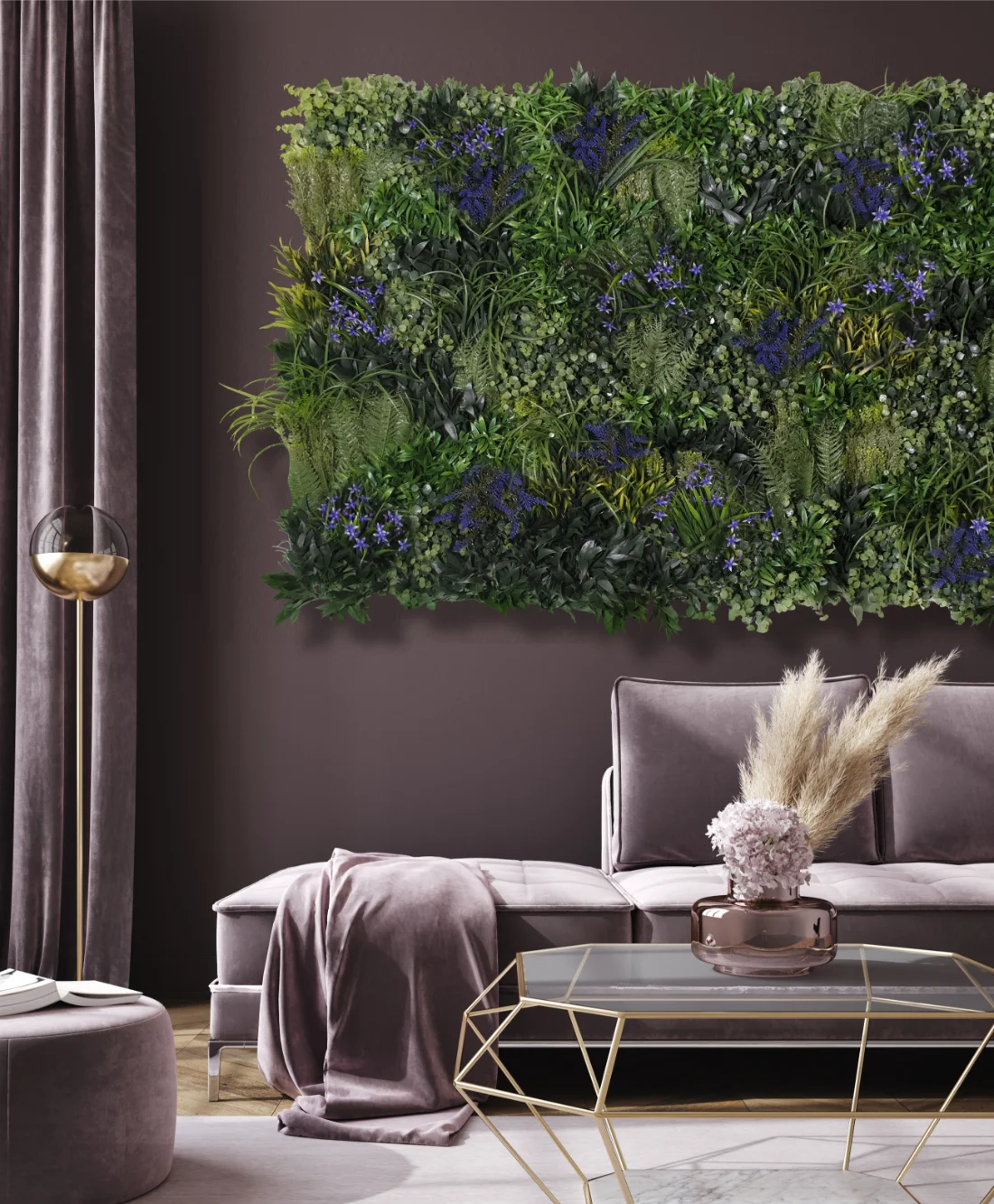
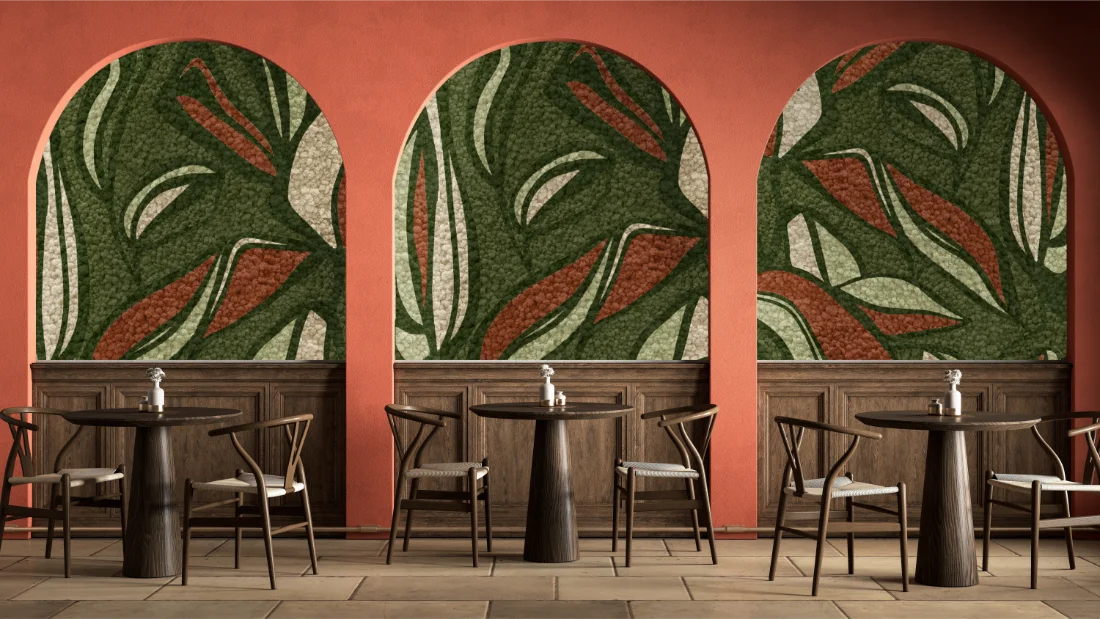
Green earns its place as a neutral because of its versatility and psychological impact. Visually, green sits comfortably alongside both warm and cool palettes. It complements wood, stone, metal, and concrete without competing for attention. Tonally, it can recede or stand forward depending on texture, density, and placement. A custom moss wall reads differently than an artificial boxwood plant wall, yet both provide balance rather than distraction.
Emotionally, green introduces calm without sterility. It reduces visual fatigue, softens hard edges, and creates environments that feel more livable and human. In commercial interiors especially, this balance is critical. Spaces must perform, endure, and still feel welcoming.
-


-

-
The Influence of Wellness-Driven Design
As wellness has become an expectation rather than a bonus, designers are prioritizing materials that support comfort and mental ease. Green plays a central role in this shift.
Biophilic design principles have demonstrated that natural references, even when interpreted through design, can improve how people experience a space. Green surfaces introduce texture and variation that break up rigid geometry. They offer visual rest in environments dominated by screens, artificial lighting, and constant movement.
Unlike traditional neutrals, green actively contributes to the atmosphere. It does not simply fade into the background. It works quietly, consistently, and over time.

-
Performance Matters More Than Ever
The rise of green as a core material is also tied to advances in material performance. Designers are no longer choosing between beauty and practicality.
Preserved moss walls maintain their color and texture without light or water, making them viable in interior zones that would otherwise exclude greenery. Artificial plant walls deliver consistency and durability in high traffic or exterior-adjacent environments. Both options allow designers to specify green with confidence in commercial, hospitality, retail, and event spaces.
Longevity is key. Green elements must hold their appearance, meet fire and safety requirements, and adapt as spaces evolve. When designed thoughtfully, these materials become long-term assets rather than short-term features.
-


-

-
A Shift in Sustainability Thinking
Sustainability conversations in design have also matured. Rather than focusing solely on optics, designers are evaluating lifecycle value, reuse potential, and reduced resource demands.
Green walls that do not require irrigation, lighting, or ongoing replacement align with this mindset. Modular systems that can be reconfigured or repurposed across projects extend material life and reduce waste. Sustainability becomes embedded in the material choice itself, not added through explanation. In this way, green supports both environmental goals and operational realities.

-
Green as a Design Language
Perhaps the most telling sign of green’s new role is how seamlessly it integrates across typologies. Offices use green walls to create zones of focus and relief. Hotels rely on greenery to soften transitions and enhance arrival moments. Retail spaces use green to guide flow and elevate brand experience. Events use it to create atmosphere quickly, then adapt and reuse.
In each case, green is not the headline. It is the connective tissue. Designers are no longer asking whether green belongs in a space. They are deciding how to specify it, where it should live, and how it should perform.
-


-

-
Looking Ahead
As interior design continues to prioritize experience, longevity, and well-being, green will remain a core material rather than a passing preference. It offers what traditional neutrals cannot fully deliver on their own. Depth, softness, and a quiet sense of ease.
The most successful spaces moving forward will not announce their use of biophilic elements. They will simply feel right. Green will be there, doing what neutrals do best. Supporting everything else.

Get In Touch
-
Customer service
info@naturalist.us -
Follow us


