

When we talk about wellness in design, it is easy to fall back on buzzwords like calming, soothing, or biophilic. But wellness is more than a marketing phrase. It is about how spaces genuinely impact the way people feel, heal, and connect. This is where two powerful ideas come into play: salutogenesis and social prescribing.
Although the terms may sound academic, their application in design is practical, inspiring, and deeply human. When combined with biophilic design elements such as preserved moss walls, they open new opportunities for creating restorative interiors that support health and well-being in ways that go beyond aesthetics.
-

-
Understanding Salutogenesis in Design
Salutogenesis, a concept coined by sociologist Aaron Antonovsky, focuses on the origins of health and well-being rather than the treatment of illness. It asks what makes people feel grounded, resilient, and whole in their environment. In design, this translates to creating spaces that feel coherent, manageable, and meaningful. Natural textures, warm acoustics, and organic forms all contribute to this sense of wellness. A preserved moss wall embodies this philosophy by inviting people to pause, breathe, and re-center, whether they are in a corporate office, a hospital waiting room, or a busy airport terminal.

-
The Growing Role of Social Prescribing
Social prescribing takes this concept even further into healthcare practice. Instead of prescribing only medication, doctors increasingly recommend non-medical interventions such as art workshops, gardening, nature walks, or community activities. The idea is simple but transformative: health is deeply shaped by environment, community, and meaningful experiences. Thoughtfully designed spaces become part of this prescription. A moss wall in a healthcare setting, for example, does more than decorate a wall. It offers a quiet moment of connection to nature, helping patients reduce stress and anxiety before an appointment.
-


-

-
Biophilic Design and the Preserved Moss Wall Connection
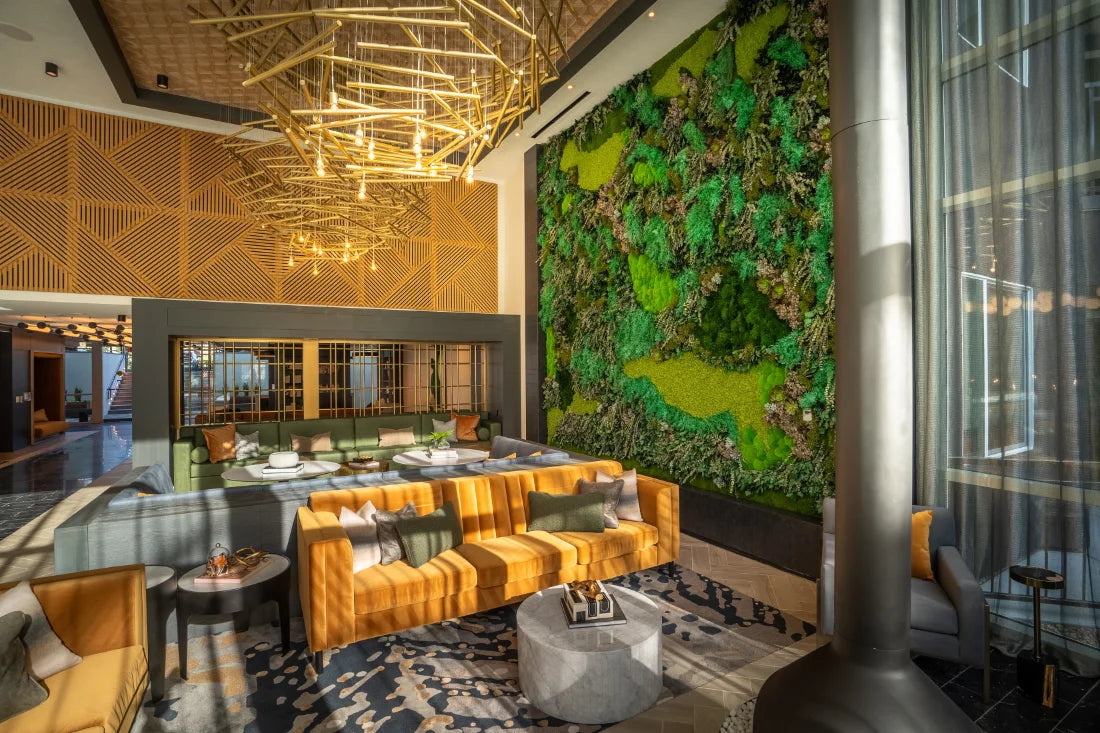
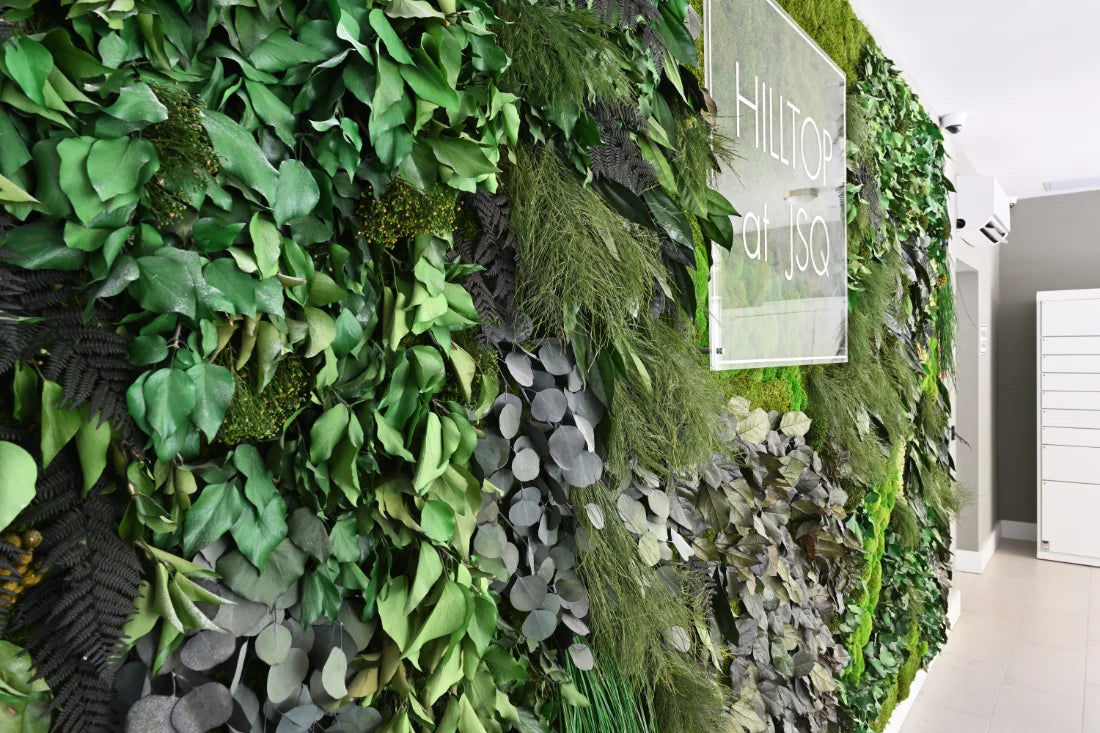
This is where moss walls connect to biophilic design in a powerful way. Biophilic design is the practice of bringing nature into the built environment, not just for its beauty but for its measurable impact on human wellness. Preserved moss walls bridge this connection by bringing the look and feel of living greenery indoors without requiring sunlight, watering, or trimming. With a lifespan of up to ten years when cared for properly, they offer long-lasting natural beauty. Their textures soften acoustics, their organic forms bring depth to interiors, and their quiet presence helps ease overstimulated minds.

-
The Science Behind Stillness
Environmental psychology research supports this impact. Green spaces are shown to reduce cortisol levels, improve cognitive performance, and speed up recovery times in clinical environments. Moss walls, through their rich patterns and soft tactility, create what researchers describe as “soft fascination,” which allows the brain to rest without disengaging. This gentle kind of stillness fosters mental clarity, creativity, and resilience, making moss walls more than a visual feature—they become a sensory experience that restores balance in overstimulated environments.
-


-

-
Why Salutogenesis and Social Prescribing Matter Beyond Healthcare
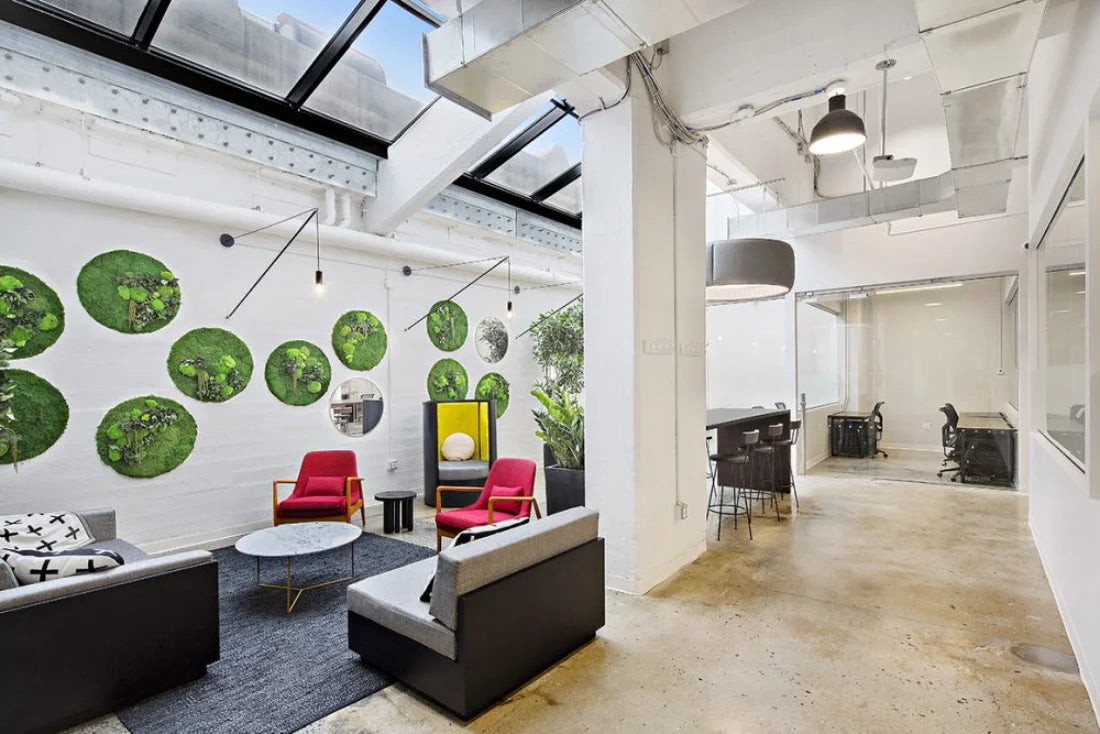
The broader significance of salutogenesis and social prescribing is that they are not confined to healthcare. They represent a cultural shift in how we think about wellness, showing that design has as much influence on health as medicine, nutrition, or exercise. A preserved moss wall in an office helps employees manage stress and focus more effectively. In hospitality spaces, it creates a soothing environment that makes guests feel welcome and at ease. In schools, it provides a moment of calm for students in high-pressure environments. In every case, the wall is no longer only a decorative backdrop but a subtle intervention that shapes how people feel in the space.

-
Designing with Intention
Preserved moss walls remind us that designing for wellness means going beyond surface aesthetics. It means designing with intention, with an understanding that the textures, patterns, and atmospheres we create can change the way someone experiences their day. In an age of overstimulation, burnout, and disconnection, spaces that offer moments of calm and clarity are no longer luxuries but necessities. By blending the philosophies of salutogenesis and social prescribing with the practice of biophilic design, moss walls help redefine what it means to create environments for wellness.
A preserved moss wall does more than add greenery to a room. It creates stillness, encourages reflection, and reconnects people with nature in a way that is both grounding and inspiring. It becomes a quiet prescription for balance, an everyday reminder that design has the power not just to please the eye, but to support the body and mind.
-


Get In Touch
-
Customer service
info@naturalist.us -
Follow us


