

There are spaces we move through, and then there are spaces that remain.
In architecture and interior design, memorability is rarely the result of spectacle alone. It is shaped by proportion, materiality, acoustics, and the subtle decisions that influence how a space is experienced over time. The most enduring environments are not defined by excess, but by intention.
Design creates memory.
And the spaces we remember most often rely on natural references—materials and textures that quietly ground highly constructed environments.
-

-
Memory Is Built Through Sensory Experience
When people recall meaningful interiors, they seldom describe plans or elevations. They remember how a space felt to occupy. The way the sound softened. The way light interacted with surfaces. The tactile quality of materials that invited pause rather than movement.
These responses are sensory and spatial, not visual alone.
Biophilic materials introduce complexity that rigid architectural systems often lack. Variations in tone, depth, and texture reduce visual fatigue and create environments that feel inherently legible to the human nervous system. This is where natural references—interpreted through design—become essential.

-
The Architectural Role of the Moss Wall
Greenery, when thoughtfully integrated, functions as an architectural element rather than a decorative layer.
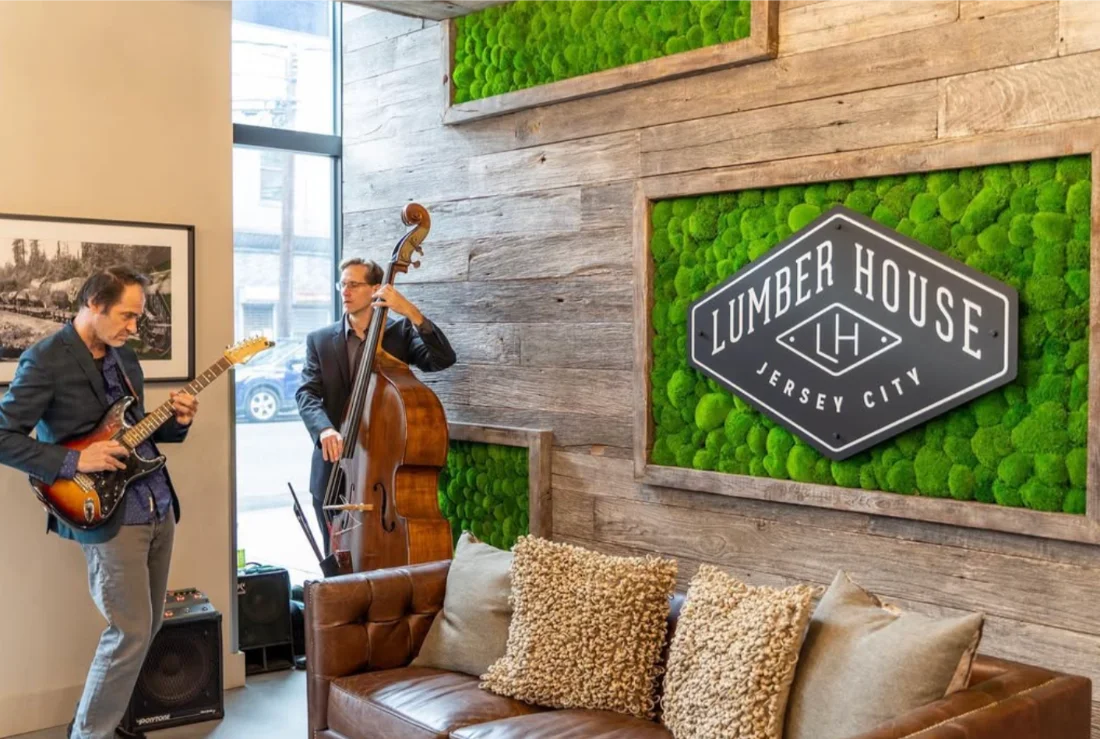
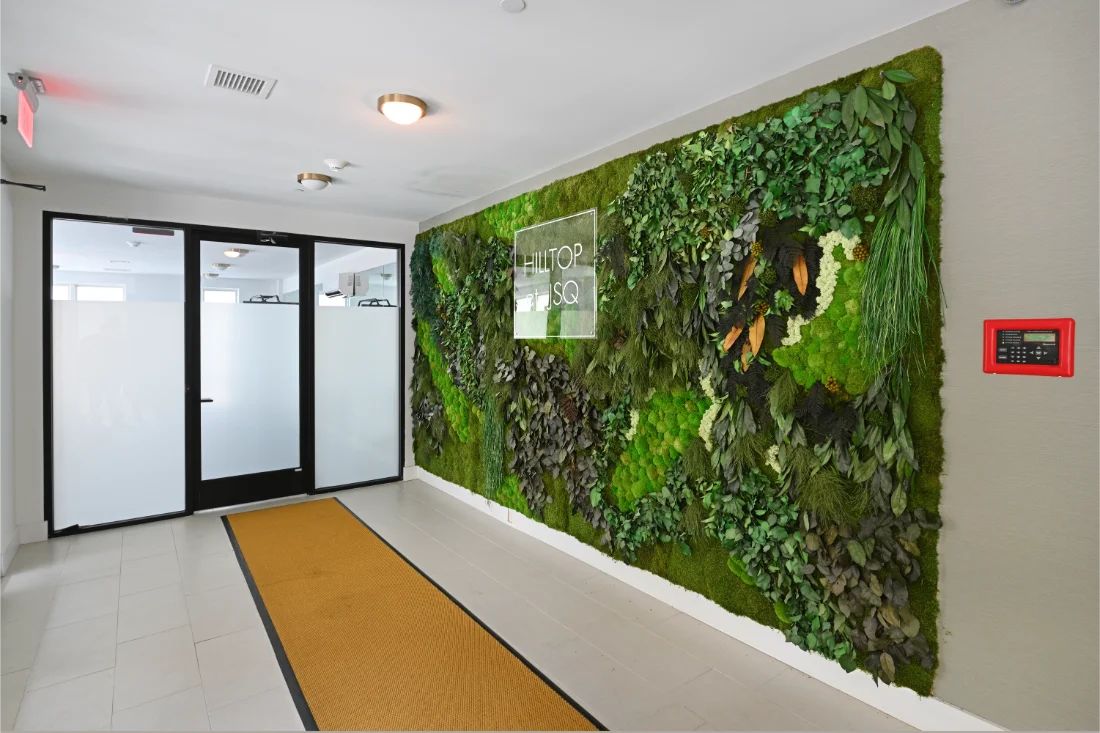
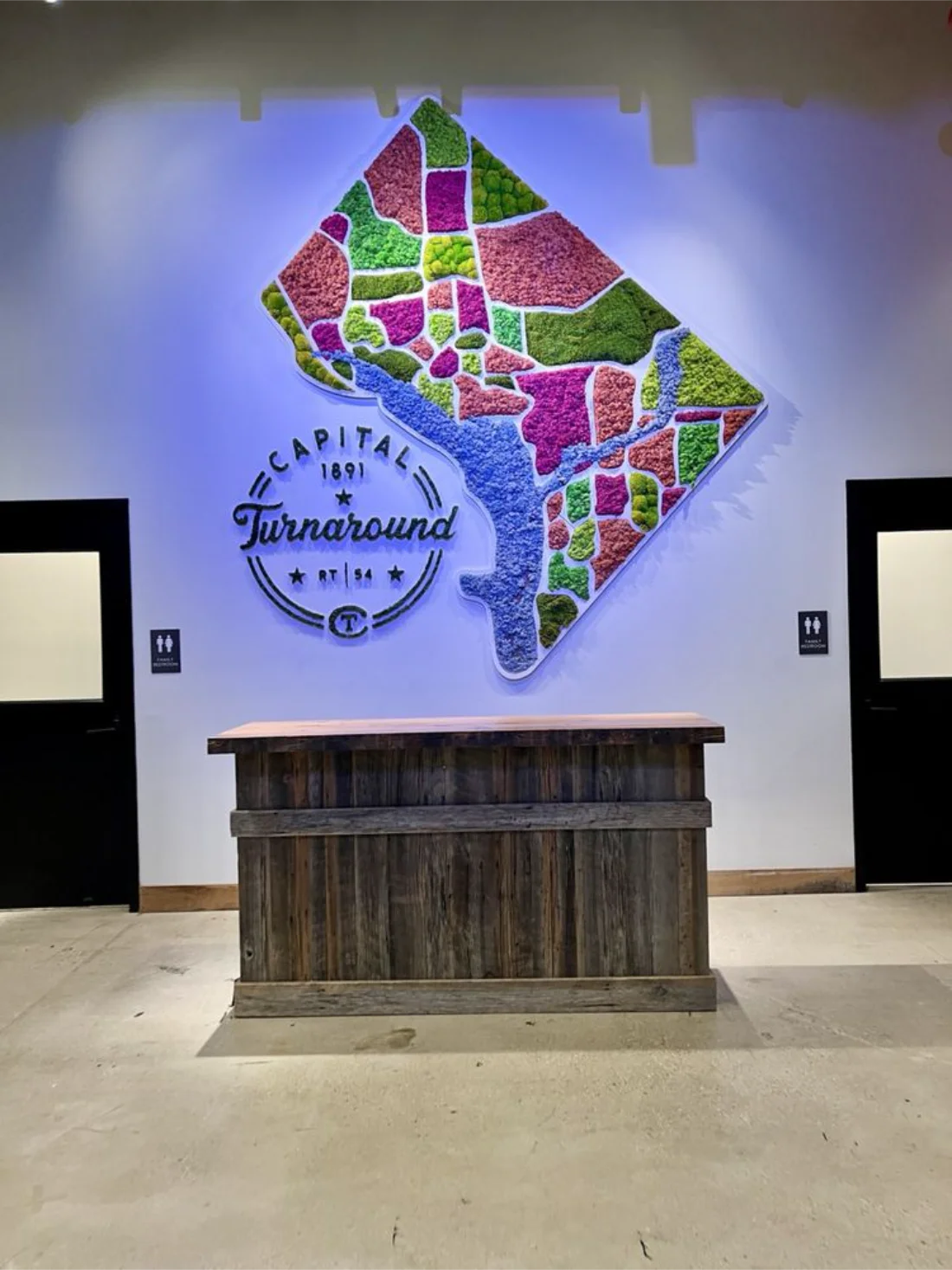
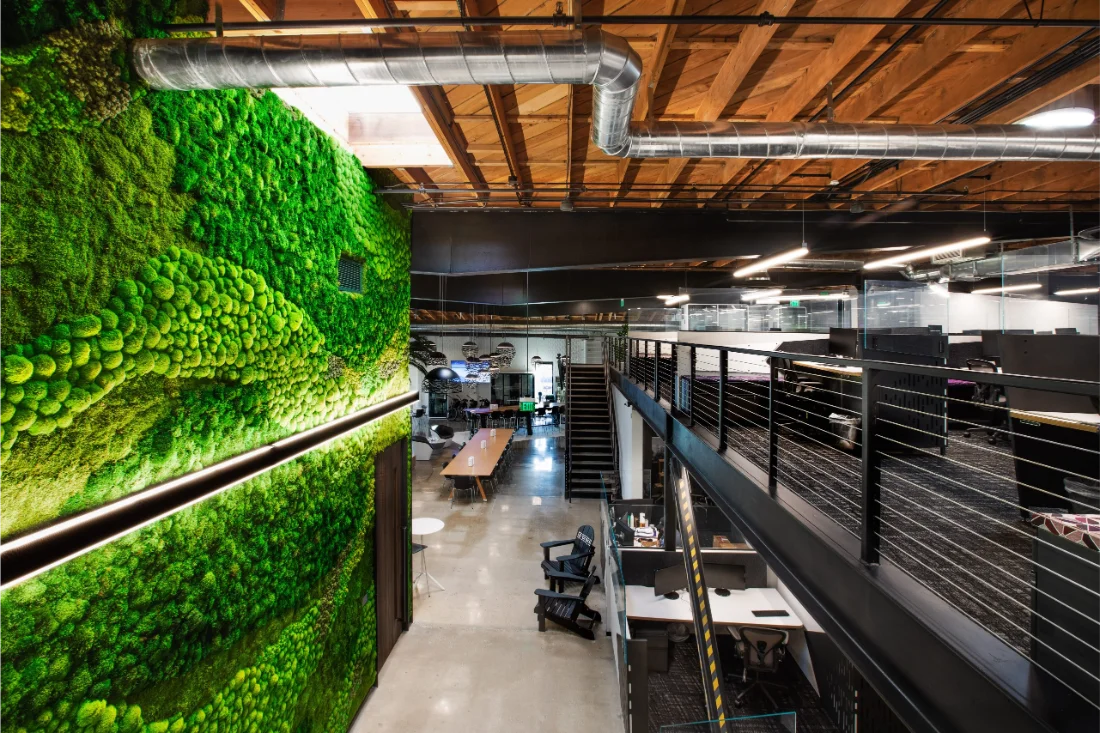
A moss wall does not behave like a finished surface. It absorbs sound, introduces depth, and disrupts uniformity without interrupting spatial clarity. It often occupies transitional zones—lobbies, corridors, reception areas—where atmosphere matters as much as circulation.
Unlike flat materials, moss creates micro-variation. This subtle irregularity recalls natural landscapes and provides visual relief within highly controlled interiors. As a result, moss walls tend to anchor spaces quietly, shaping experience without demanding attention.
-


-

-
Designing for Longevity and Performance
Commercial and hospitality environments require materials that perform over time. Durability, safety, and maintenance considerations are not constraints—they are design parameters.
Preserved moss walls allow designers to introduce biophilic value without the operational burden of live planting systems. They maintain their form and color, require no irrigation or lighting, and integrate seamlessly alongside standard hospitality finishes such as stone, wood, metal, and textiles.
This makes them particularly effective in spaces where consistency and long-term visual stability are critical.

-
Restraint as a Design Strategy
Architectural clarity is often achieved through restraint. The most compelling spaces are those where materials are allowed to breathe, and no single element competes for dominance.
Within this context, a moss wall functions as a supporting structure—one that softens architecture rather than obscuring it. Over time, it becomes part of the spatial language of the project, contributing to comfort, acoustics, and atmosphere in ways that are felt more than observed.
This is why such spaces linger in memory. Not because they were overwhelmed, but because they resolved.
-


-

-
What Endures
Architecture shapes behavior, emotion, and recall. The materials we choose influence not only how a space performs, but how it is remembered.
By integrating biophilic materials such as moss walls with intention, designers acknowledge a fundamental truth: people respond to environments that balance precision with softness, structure with nature.
At Naturalist, we view greenery as an architectural material—one that completes a space quietly and endures well beyond first impression.

Get In Touch
-
Customer service
info@naturalist.us -
Follow us


